Where to find book recommendations
Key takeaway: No single source fits every reader. Use two or three sources, and compare what they suggest.
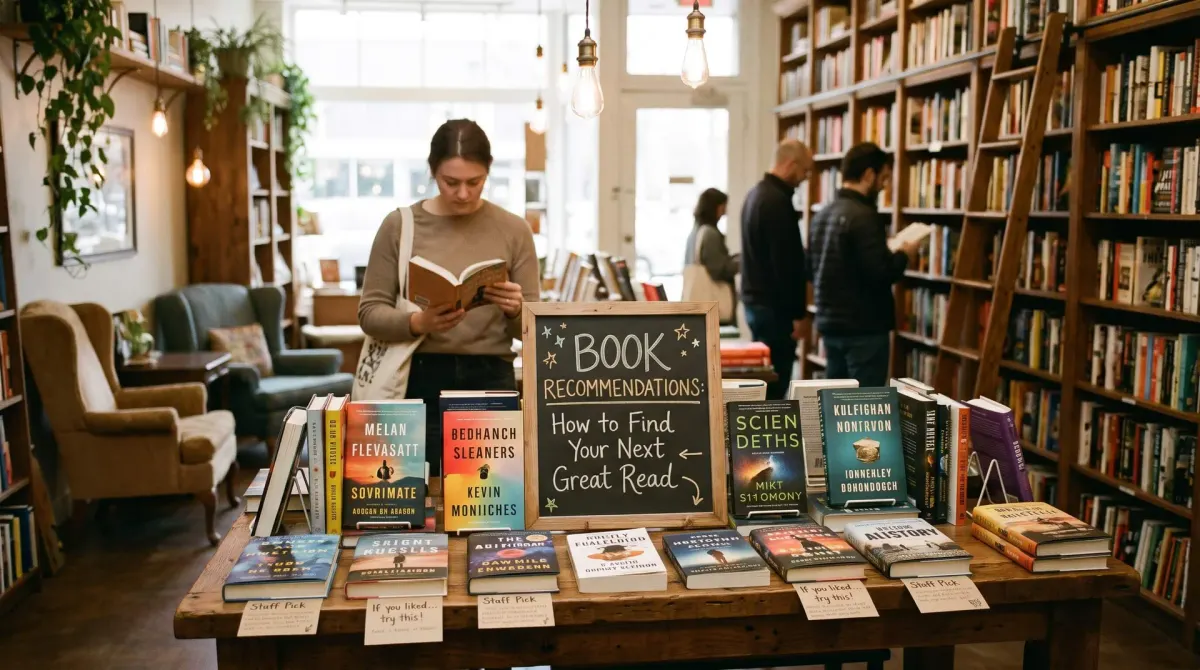
Book recommendations are suggestions for books to read, based on your taste, mood or topic. They come from people, libraries, reading sites and algorithms. A good recommendation names the reason a book fits you, not only its title or rating.
Each source has a strength. Some know your taste. Some know the genre. Some know what is new.
Compare the main sources
| Source | Best for | Watch out for |
|---|---|---|
| Librarians | Personal picks, free | Limited by local stock |
| Reading sites | Genre lists, reviews | Ratings can be inflated |
| Friends and clubs | Trusted taste match | Small sample of books |
Libraries and librarians
A public library is the best free starting point. Many libraries offer readers' advisory, which means staff suggest books based on what you already like. You do not need a perfect request. Name a few titles and a mood.
Some libraries give patrons access to NoveList. It is a database that matches readers to books by genre, theme and tone. Ask your library whether it offers it. You can also search WorldCat, a global library catalogue from OCLC, to see which nearby libraries hold a title.
Reading sites and online stores
Goodreads is a reader community site where people rate books and build shelves. It is useful for seeing what readers of a genre are discussing. Read the three-star reviews first. They often explain what a book does and does not offer.
Online stores also show "readers also bought" lists. Treat these as a starting point, not a verdict. They reflect sales, not quality.
How to ask for book recommendations by genre
Key takeaway: A good request has three loved books, one disliked book and a mood. That gives the other person something to work with.
Vague requests get vague answers. "Any good books?" tells nobody anything. A clear request takes one minute to write.
Use the three-and-one method
List three books you loved. List one book you disliked. Add the mood you want, such as fast, cozy or thoughtful. Then add the genre or topic.
For example: "I loved books A, B and C. I did not finish book D because it felt slow. I want a fast mystery with a warm tone." A librarian or friend can act on that at once.
Ask for book recommendations by genre
Genre labels help, but they are wide. "Fantasy" can mean a cosy village tale or a grim war story. Add one word for tone and one for length. Say whether you want a series or a single book.
If you want a standalone, say so. If you want a long series, say that instead. Both preferences narrow the field fast.
Build a to-read list you can finish
Key takeaway: A to-read list only helps if it matches your reading pace. Do the math before you add the hundredth title.
A to-read list, often called a TBR pile, is a list of books you plan to read. Many lists grow faster than anyone can read. A short list with a clear order works better.
A worked example of reading pace
Say you read 20 pages a day. A 300-page book takes 300 ÷ 20 = 15 days. A year has 365 days, so you finish about 365 ÷ 15 = 24 books.
If you read 30 pages a day, the same book takes 10 days. That gives about 36 books a year. Your list needs only as many titles as your pace allows.
| Pages per day | Days per 300-page book | Books in a year |
|---|---|---|
| 20 | 15 | about 24 |
| 30 | 10 | about 36 |
| 50 | 6 | about 60 |
Use this table to size your list. A list of 24 books is plenty for a 20-page reader.
Sort the list by mood
Group your list by mood, not by date added. Pick one book from each group when you finish a read. That keeps the next book from feeling like homework.
How to judge a recommendation before you read it
Key takeaway: A short test saves hours. Read a sample, check the reviews that disagree, and decide in ten minutes.
You do not owe any book a full read. A fast test protects your time.
The 20-page sample test
Most stores let you read a free sample. Read 20 pages. Ask three questions. Does the voice suit you? Does the story or argument move? Do you want the next page?
If two answers are yes, keep reading. If not, drop it and move on.
Check the reviews that disagree
Read one positive review and one negative review. Look for the reason, not the star count. A complaint about slow pace may not bother you. A complaint about confusing structure probably will.
How authors make a book easy to recommend
Key takeaway: Readers recommend books they can describe in one sentence. Clear positioning, honest reviews and good metadata all help.
Authors can influence how a book is recommended. No trick forces a recommendation. However, clear signals make it easier for librarians, readers and stores to place a book.
Make the book easy to describe
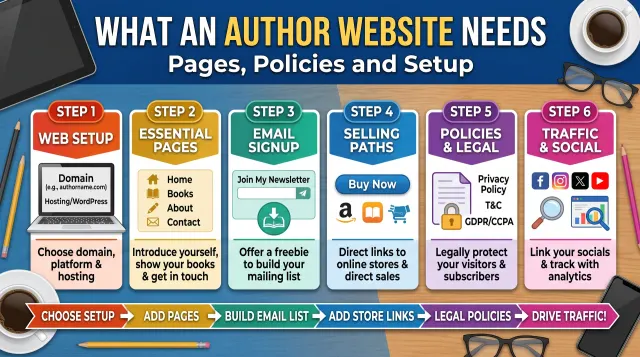
Write a one-sentence pitch that names the genre, the reader and the promise. A reader who can repeat that sentence can pass the book on. Put the same sentence at the top of your product page.
Choose the right shelf
Pick categories and keywords that match where readers look. A wrong category sends the book to the wrong audience. That leads to weak reviews and few referrals.
Earn honest reviews
Ask readers who finished the book to leave an honest review. Never pay for reviews. Never ask for only five stars. Stores can remove reviews that break their rules. Real reviews help new readers decide.
Ask libraries to stock the book
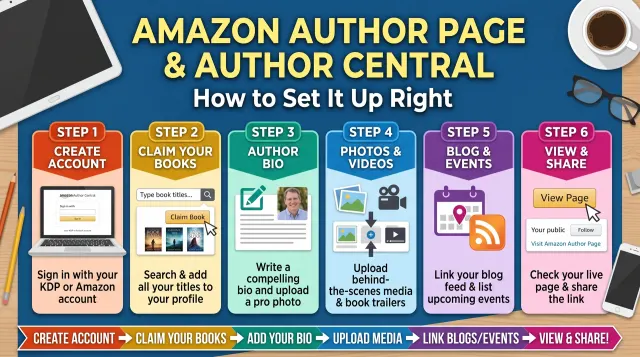
Many libraries accept purchase requests from patrons. Ask readers to request your title. A listing in a library catalogue puts the book in front of people who ask staff for advice.
People Also Ask
How do I find a good book to read?
Start with a librarian or a friend who shares your taste. Give three loved books and one disliked book. Then read a 20-page sample before you commit. If the voice and pace work, keep going. If not, move to the next pick.
Where can I get free book recommendations?
Public libraries offer free advice from staff, and many give access to readers' tools such as NoveList. Reading sites and book clubs also share lists at no cost. Ask a librarian first, because they can check local stock and suggest titles you can borrow today.
Are online book recommendations reliable?
They are a useful start, but they are not a verdict. Sales lists show what sells, not what suits you. Ratings can be inflated by early fans. Compare two or three sources and read the mixed reviews before you decide.
Common mistakes
- Asking too broadly. A request such as "good books" gets generic answers.
- Trusting star ratings alone. A high rating says little about fit.
- Building an oversized to-read list. A list longer than a year of reading adds stress.
- Finishing every book out of guilt. Drop a book when a sample fails the test.
- Copying a list without checking taste. A list built for another reader may not suit you.
Make your next pick a good one
Write your three-and-one request today. Send it to a librarian or a reading friend. Then read a 20-page sample of the first title they suggest.
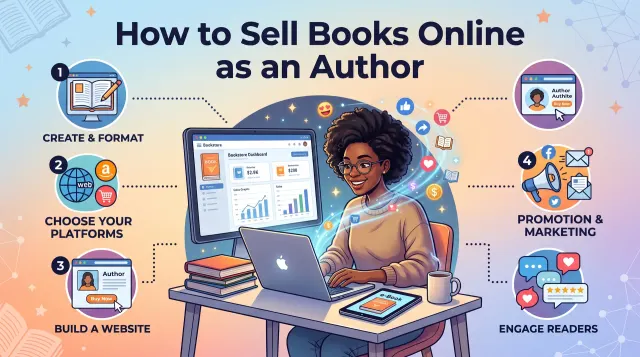
If you are an author, apply the same idea to your own page. Clear pitch, right shelf, honest reviews. Our guide to selling books online shows where those pieces fit.